
Being a good human is not about being perfect. No one gets everything right all the time. It is about the choices we make every day—how we treat people, how we respond when things are difficult, and whether we leave the world a little better than we found it.
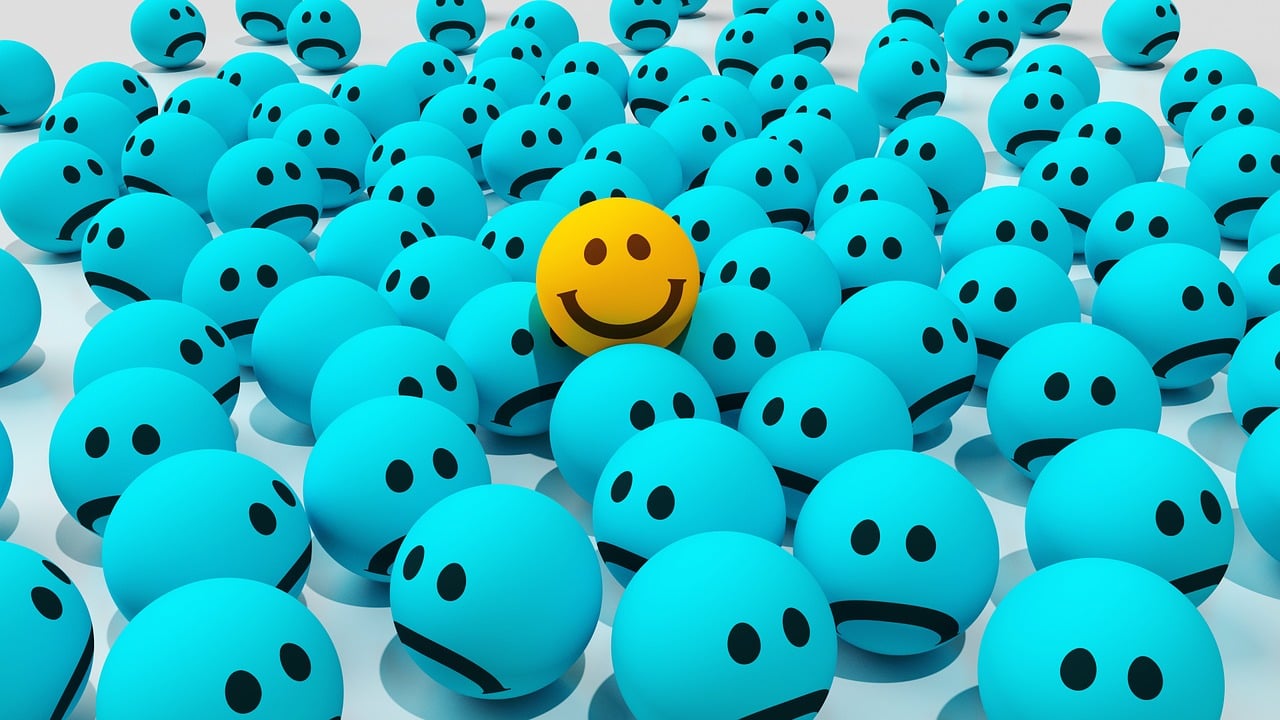
A good human shows kindness even when there is nothing to gain from it. In a world that can often feel rushed and self-centered, simple acts of compassion stand out. Holding the door open for someone, checking on a lonely neighbor, helping a struggling coworker, or listening to a friend who is having a hard day may seem small, but those actions matter. People remember how they were treated far longer than they remember material things.
Being a good human also means showing honesty and integrity. It means doing the right thing even when nobody is watching. For example, returning a lost wallet instead of keeping the money inside shows character. Admitting mistakes instead of blaming others takes courage. Integrity builds trust, and trust is one of the foundations of strong families, friendships, workplaces, and communities.
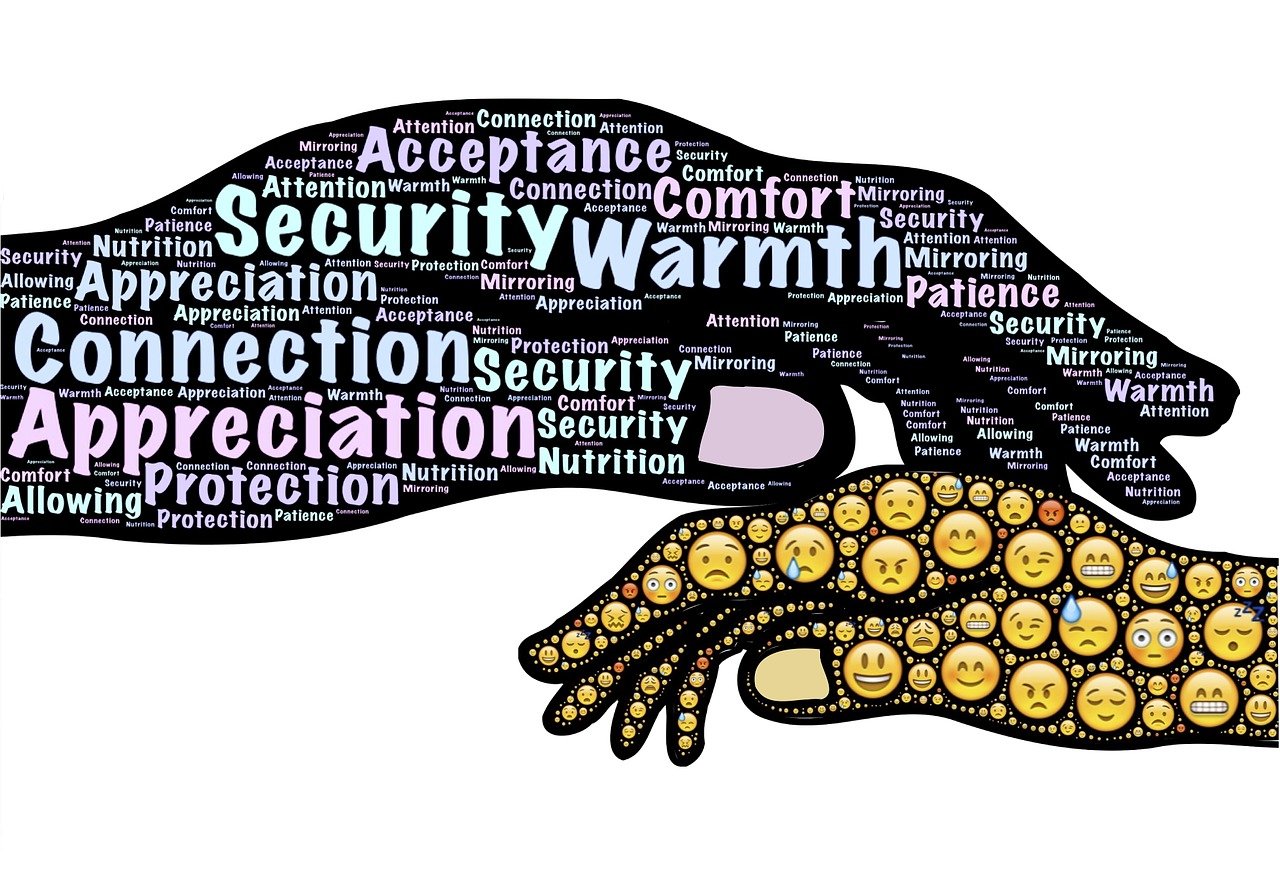
Another important quality is empathy. Good humans try to understand what others are going through instead of judging them immediately. Everyone is carrying struggles that may not be visible on the surface. A person working two jobs to support their family, a student battling anxiety, or an elderly person feeling forgotten all deserve compassion. Empathy allows us to respond with patience rather than anger.
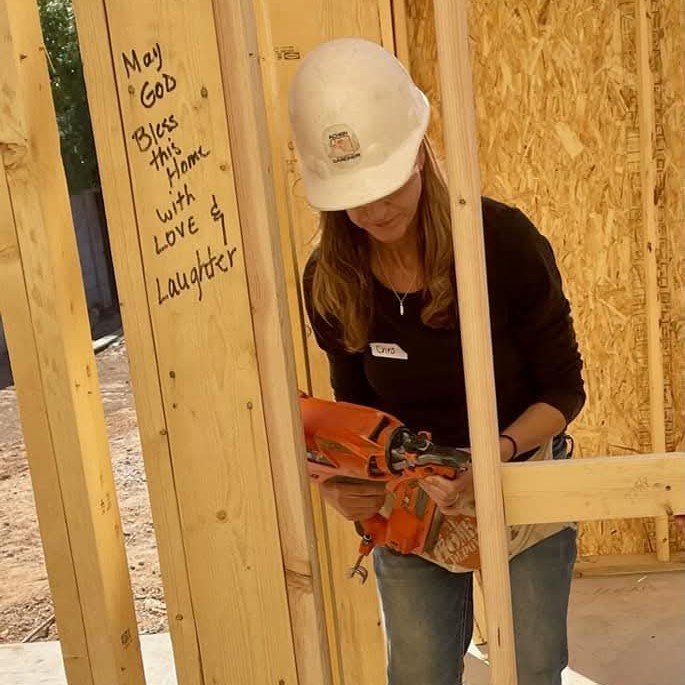
Good humans are also willing to serve others. Some people volunteer at food banks, mentor children, donate blood, or help disaster victims. Others serve quietly in everyday life by caring for aging parents, supporting friends during hard times, or encouraging people who feel discouraged. Service reminds us that life is not only about personal success but also about contributing to the well-being of others.
Being a good human includes taking responsibility for our actions. It means apologizing when we hurt someone and learning from failures rather than repeating them. Accountability is often difficult because pride gets in the way, but growth only happens when we are honest with ourselves.
Finally, good humans spread hope. They encourage instead of tearing others down. They choose respect over cruelty and understanding over hatred. History remembers people like Fred Rogers, Mother Teresa, and Martin Luther King Jr. because they dedicated their lives to lifting others up. Yet being a good human does not require fame. Ordinary people make extraordinary differences every day through compassion, honesty, generosity, and love.
At its core, being a good human means recognizing the value of other people and treating them with dignity. The world improves when more people choose kindness, responsibility, and compassion in their everyday lives.