


The True Spirit of Christmas

Christmas is often described as the most wonderful time of the year—and for good reason. Beyond the decorations, music, and festive traditions, Christmas carries deep positive meaning rooted in goodwill, generosity, and faith. At its heart, the season invites people to slow down, reflect, and reconnect with what truly matters.

One of the most beautiful aspects of Christmas is the spirit of goodwill toward others. During this time, people are often more patient, forgiving, and compassionate. Simple acts—holding a door, offering a smile, checking in on a neighbor—feel more natural in a season centered on kindness. Christmas reminds us that we are all connected, and that small gestures of love can have a lasting impact. In a world that often feels rushed and divided, this shared spirit of goodwill helps bring people together across differences.

Cheerful giving is another defining characteristic of the Christmas season. Giving during Christmas is not only about exchanging gifts, but about giving with joy and intention. Whether it’s donating to a charity, volunteering time, or thoughtfully choosing a gift for a loved one, Christmas giving is meant to come from the heart. The joy experienced in giving often outweighs the joy of receiving, reinforcing the idea that generosity enriches both the giver and the recipient. This mindset encourages gratitude and reminds us that true wealth is found in love, not possessions.

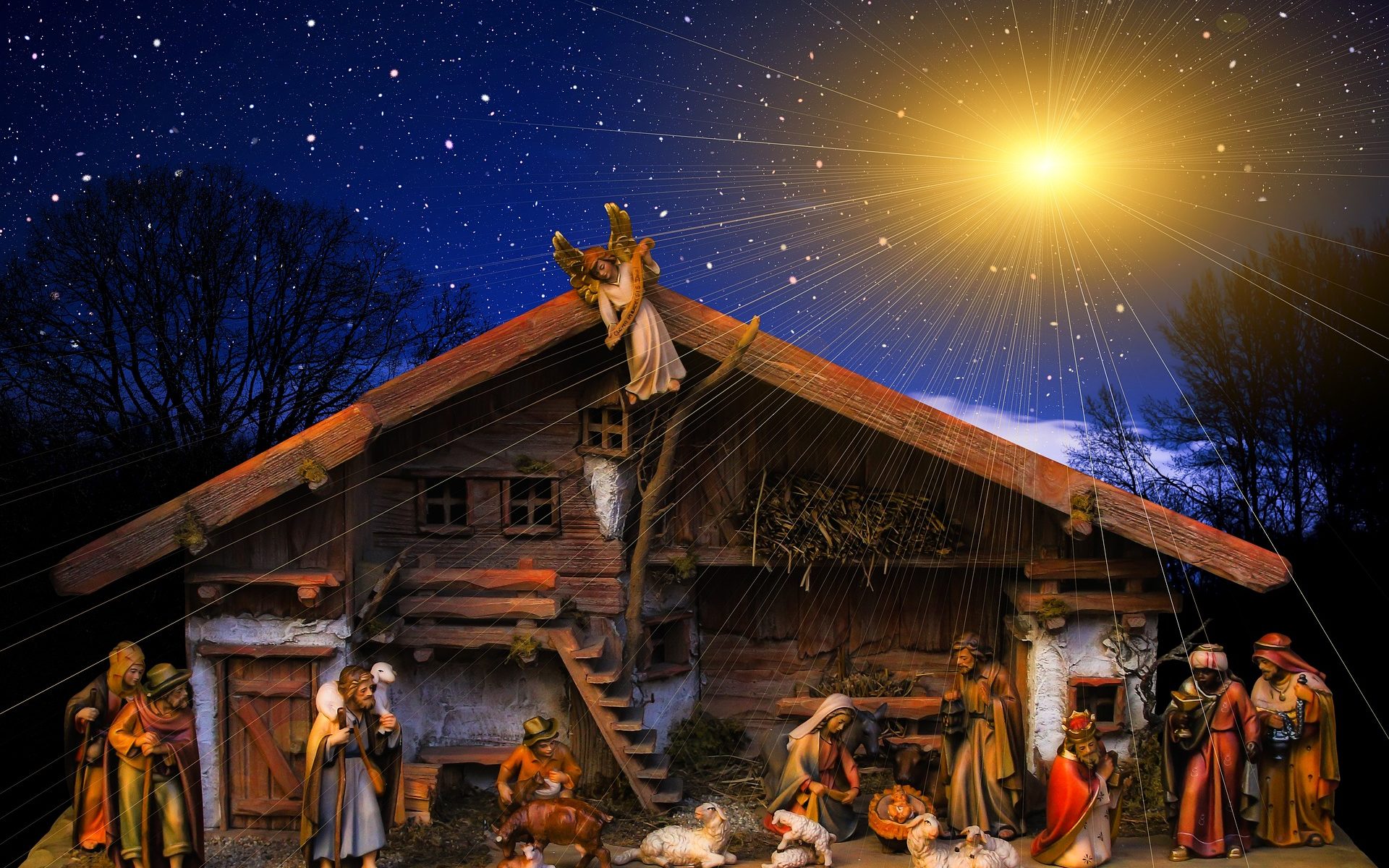
At the center of Christmas is its most important message: remembering the reason for the season—the birth of Jesus Christ. Christmas celebrates the arrival of Christ into the world, a symbol of hope, humility, and unconditional love. The story of Christ’s birth in a humble manger serves as a powerful reminder that greatness is found not in status or power, but in service and sacrifice. For Christians, this season is a time to reflect on Christ’s teachings and strive to live with greater faith, compassion, and purpose.

When Christmas is approached with intention, it becomes more than a holiday—it becomes a season of renewal. It encourages people to mend relationships, express gratitude, and refocus their priorities. Amid the lights and celebrations, Christmas gently calls us back to love: love for others, love through giving, and love inspired by Christ.

In embracing the positive aspects of Christmas—goodwill, cheerful giving, and faith—we carry its message beyond a single day. When these values extend into our daily lives, the true spirit of Christmas lives on all year long.
Christmas Origins

Close your eyes and recollect your first memories of Christmas. Perhaps it was waking on Christmas morning and marveling, blurry eyed, at the spectacle laid before you. It can seem magical. Were there presents piled high under a magnificent, sparkling tree? And how could anyone resist the sheer excitement upon seeing the larger gifts, those much too big to hide behind wrapping paper.

If your childhood was similar to most, your first memory likely involved a jolly old man named Santa Claus, wearing a costume of red felt with white fir. How did our modern day Christmas evolve and where did this Santa Claus come from?

To understand the history of Christmas and the origins of Santa, one must travel back to the third century A.D. to a Greek area in Asia minor, now known as the southern coast of Turkey. Losing his parents at a young age, a young Christian named Nicholas, spent his entire inheritance in service to the needy.  With his devotion to God, he became Bishop of Myra and became known throughout the land for his generosity to those in need and his love for the children.

The girls of that time could be sold into slavery if no dowry were available to prospective husbands. In remediation, stories claim of bags of gold found in homes, having been tossed through open windows and landing in socks or shoes, laid before the fire to dry. There are even stories of Nicholas bringing children back to life after untimely death. Therefore, St. Nicholas became the patron and protector of children. It’s also been said that the modern Santa Claus is a direct descendent of England’s Father Christmas, who was not originally a gift-giver. However, Father Christmas and his other European variations are modern incarnations of old pagan ideas about spirits who traveled the sky in midwinter.

The Christmas tree is a 15th-century German invention, but is derived from the pagan practice of bringing greenery indoors to decorate in midwinter. Midwinter was deemed a time of celebration for the completed harvest and the winter solstice. Hanging the tree upside down represented a triangle. appearing similar to a cross, it was used to explain the trinity. The tree skirt originated for two reasons, to catch the pine needles and also to protect the table or floor from drops of candle wax. Being one of the first to do so, president Grover Cleveland decorated his Christmas tree with lights in 1895, because his daughters liked them.

But let us not forget the religious tradition of Christmas, the celebration of the birth of Christ. By the late second century, Christ’s birth was celebrated on January 6th in the east (Egypt and Asia Minor) and on December 25th in the western Roman Empire. The modern Armenian church continues to celebrate Christmas on January 6; however, December 25 would prevail for most Christians, while January 6 eventually came to be known as the Feast of the Epiphany, commemorating the arrival of the magi in Bethlehem. The period between became the holiday season later known as the 12 days of Christmas. Christmas was declared a federal holiday June 26, 1870. The first recorded date of Christmas being celebrated on December 25th was in the year 336, during the time of the Roman Emperor Constantine.

How might this date be derived? It is said to be biblically anchored to the conception of St. John the Baptist, which took place on the Jewish feast of “Yom Kippur” (Day of Atonement), which normally falls between Sept 22-30th in our modern calendar. According to Luke 1:26, the conception of Jesus via the holy spirit took place six months after the conception of John the Baptist, or more precisely March 25th. March 25 + 9 months gestation = December 25th.

So it would seem that Christmas is a mix of both Christian and Pagan traditions, with gift giving added at a later time. In your gifting plans this year, don’t forget to bless the non-profit entities, who can spread your blessing to so many in need. They are the modern day St. Nicholas.