

Gving Thanks

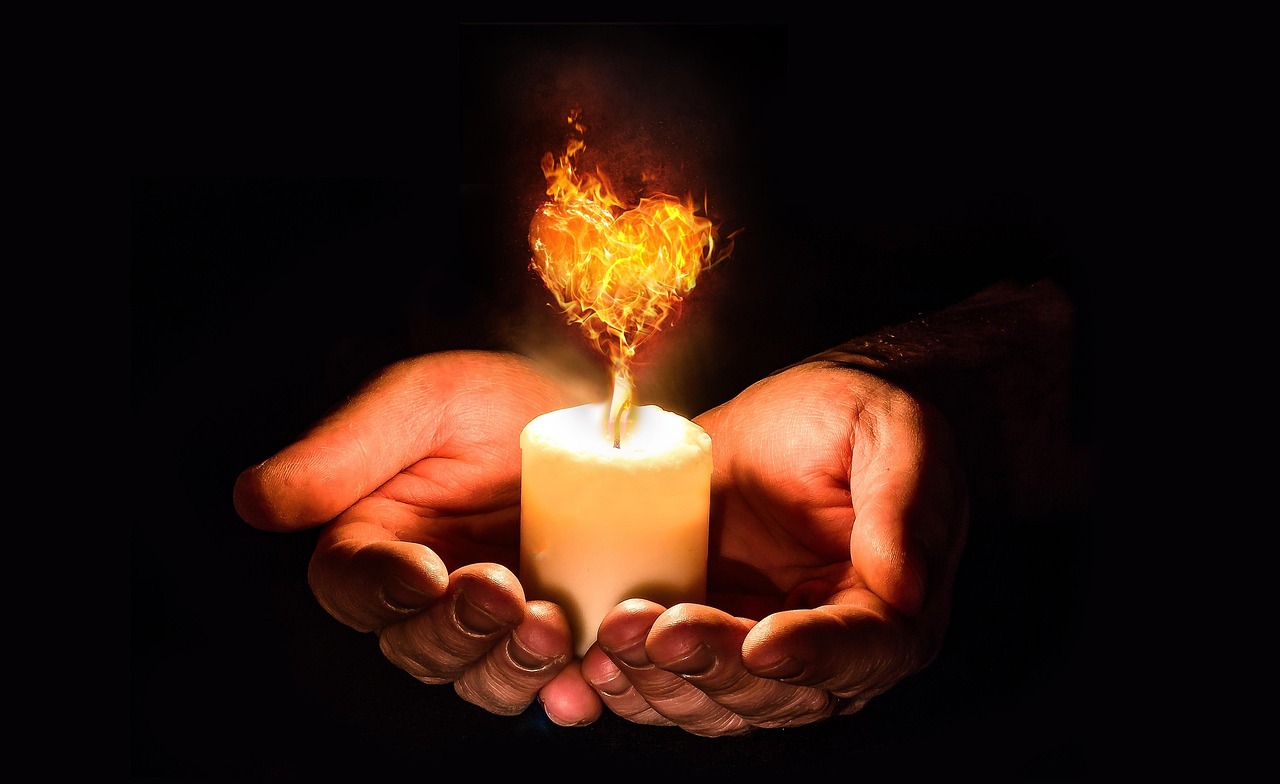
Thanksgiving is one of the most enduring and meaningful American holidays, rooted in gratitude, community, and reflection. Its history stretches back more than four centuries, and while the traditions have evolved, the core purpose remains the same: to pause and appreciate the blessings—big and small—that shape our lives.

The origins of Thanksgiving can be traced to 1621 in Plymouth, where Pilgrims and Wampanoag Native Americans shared an autumn harvest feast. This event is often regarded as the “First Thanksgiving,” though similar harvest celebrations had long been observed by Indigenous peoples across North America. For the Pilgrims, the feast symbolized survival and cooperation during a harsh first year in the New World. For the Wampanoag, it reflected long-standing practices of giving thanks for nature’s abundance. Although the relationship between settlers and Native peoples would later become strained and violent, the 1621 gathering remains a symbol—imperfect but meaningful—of unity and shared humanity.

Thanksgiving did not become a national holiday immediately. For many years, individual colonies and later states observed their own days of thanks. It wasn’t until 1863, during the Civil War, that President Abraham Lincoln declared the last Thursday of November a national day of Thanksgiving. His intention was to bring hope and unity to a divided nation. Nearly a century later, in 1941, Congress officially established Thanksgiving as a federal holiday, fixed on the fourth Thursday of November.

Beyond its historical roots, Thanksgiving holds a special place in modern American culture. It serves as a rare moment when people intentionally slow down and reconnect—with family, friends, and themselves. In a society that often prioritizes constant motion and productivity, Thanksgiving offers permission to pause, reflect, and appreciate what truly matters.

The act of gathering around a table—whether filled with traditional dishes like turkey and pumpkin pie, or foods that reflect one’s cultural heritage—is powerful. Food becomes a bridge between generations, a way to honor loved ones, and a reminder that gratitude is not just felt but shared.

Thanksgiving also encourages acts of generosity. Many people volunteer at food banks, donate to charities, or invite others who might otherwise spend the day alone. These expressions of kindness highlight the holiday’s deeper message: gratitude grows when it is given away.

Ultimately, Thanksgiving endures because it speaks to a universal human need—to feel thankful, connected, and grounded. Its traditions may vary from one household to another, but the heart of the holiday remains the same: a moment set aside to celebrate abundance, remember history, and cherish the people and experiences that enrich our lives.

The Power in Positivity

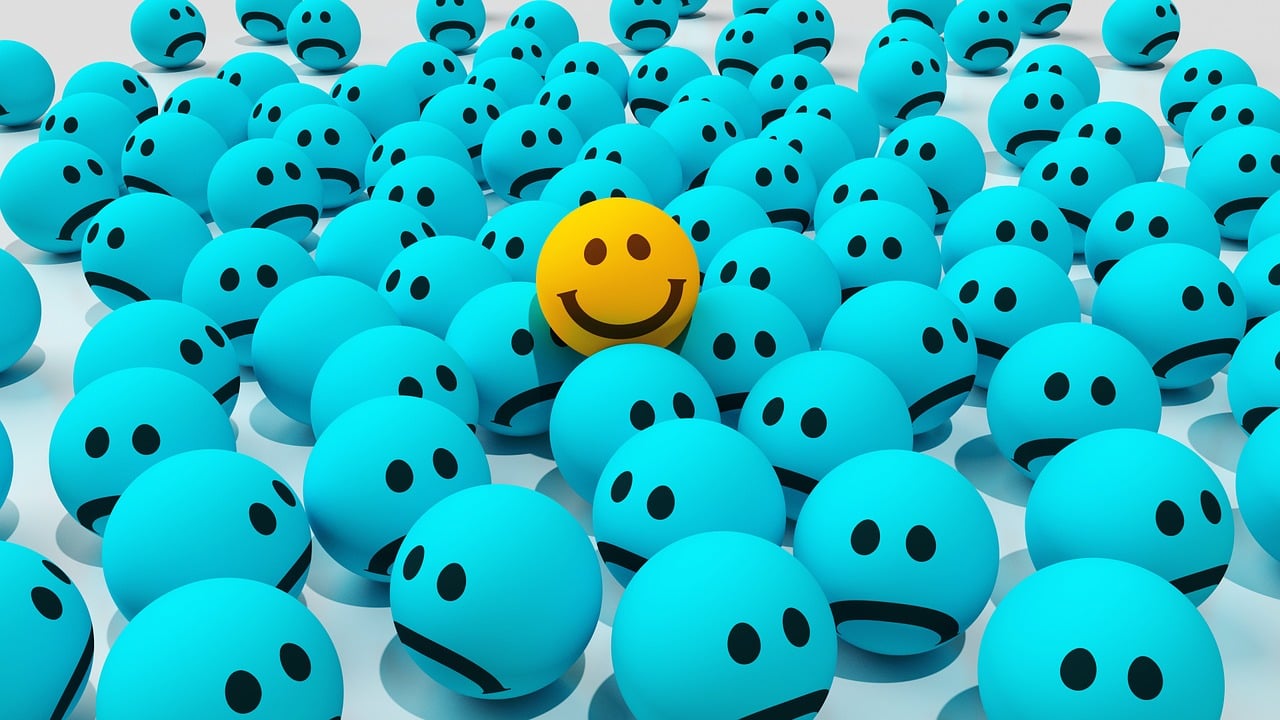
In every aspect of life—whether personal, professional, or social—a positive attitude can make an incredible difference. It’s more than just smiling through challenges; it’s about cultivating a mindset that focuses on possibilities instead of problems. A positive attitude helps people overcome difficulties, improve relationships, and achieve greater success in their goals. While challenges are inevitable, how we respond to them defines our growth and happiness.

A positive attitude begins with perspective. Life will always bring unexpected situations, but maintaining an optimistic outlook allows you to approach them with confidence and clarity. When you believe that you can find a way forward, you often do. Positivity doesn’t mean ignoring problems—it means facing them with the belief that solutions exist. For instance, when setbacks occur at work or in personal life, a positive thinker sees them as opportunities to learn, adapt, and improve rather than as failures.

This mindset also has a profound impact on mental and physical health. Studies show that people with positive attitudes experience lower levels of stress, improved immune function, and a longer lifespan. Optimism encourages healthier habits, better sleep, and resilience against depression or anxiety. When your thoughts are constructive, your body follows suit. A positive attitude releases tension and fosters emotional balance, allowing you to handle life’s pressures more effectively.

In addition, positivity is contagious. The energy you project influences those around you—coworkers, friends, and family. People are naturally drawn to those who radiate hope and enthusiasm. A positive person can uplift a team, motivate others, and inspire confidence during tough times. In contrast, negativity can spread just as quickly, lowering morale and productivity. Choosing positivity not only benefits you but also strengthens the environment you’re part of.

A positive attitude also enhances problem-solving and creativity. When you focus on possibilities rather than obstacles, your mind stays open to new ideas and solutions. Optimists tend to take more calculated risks, leading to innovation and progress. In the workplace, leaders who demonstrate positivity encourage collaboration and foster a culture of perseverance.

Cultivating a positive attitude requires daily effort. It involves gratitude, self-awareness, and patience. Start by acknowledging small wins, practicing kindness, and reframing negative thoughts into constructive ones. Over time, positivity becomes a habit—an internal compass that guides you toward fulfillment and growth.

Ultimately, a positive attitude is a powerful tool. It doesn’t eliminate challenges, but it transforms how you face them. By choosing optimism, you create a mindset that welcomes opportunity, nurtures health, and builds meaningful connections. The more you practice positivity, the more you’ll find that life reflects it back to you.

The Freedom in Acceptance

In today’s fast-paced and interconnected world, differences in beliefs, values, and perspectives are inevitable. Whether those differences are cultural, political, or spiritual, they shape the way people see the world and how they choose to live their lives. While it can be tempting to only surround ourselves with those who think like us, the truth is that real growth and harmony come from learning to accept others—even when their beliefs don’t match our own.

Acceptance does not mean agreement. It doesn’t require us to abandon our own convictions or compromise our values. Instead, it asks us to recognize the humanity in others, to respect their right to hold different views, and to engage with kindness rather than hostility. By doing so, we create spaces where dialogue, empathy, and cooperation can flourish.

One of the greatest benefits of accepting differing beliefs is the opportunity it provides for personal growth. When we listen with an open mind, we gain insight into perspectives that may challenge our assumptions. This doesn’t always change our beliefs, but it often strengthens our understanding of why we hold them. In many cases, it can broaden our horizons and help us develop more compassion toward those whose life experiences differ from our own.

On a larger scale, acceptance helps to build stronger, more inclusive communities. A society that embraces diversity of thought is one that fosters innovation, resilience, and collaboration. When people feel safe to express their views without fear of judgment or exclusion, they are more likely to contribute positively. This creates an environment where differences become strengths rather than sources of division.

Rejecting or belittling those with different beliefs, on the other hand, breeds conflict and alienation. It creates walls between people that are difficult to tear down. History has shown us time and again that intolerance leads to hostility, while acceptance paves the way for peace. Even in everyday life—at work, in schools, or within families—relationships thrive when people choose respect over rejection.

Ultimately, accepting others is about honoring the dignity of every human being. Each person’s beliefs are shaped by their unique journey, experiences, and struggles. By approaching them with empathy, we affirm their worth, even if we disagree with their worldview.

The world will always contain differing perspectives, and that is something to celebrate, not fear. Acceptance is not a weakness; it is a powerful choice that brings people together, encourages understanding, and nurtures harmony in a diverse world. By choosing acceptance, we take a step toward creating communities—and a future—where everyone has a place.

What are you doing? The Importance of Volunteerism

Volunteerism is one of the most powerful ways individuals can make a meaningful impact in the world. At its core, it’s the act of giving time and energy to support a cause or help others without expecting anything in return. But while the act may be selfless, its effects ripple far and wide—transforming lives, strengthening communities, and even enriching the lives of volunteers themselves.

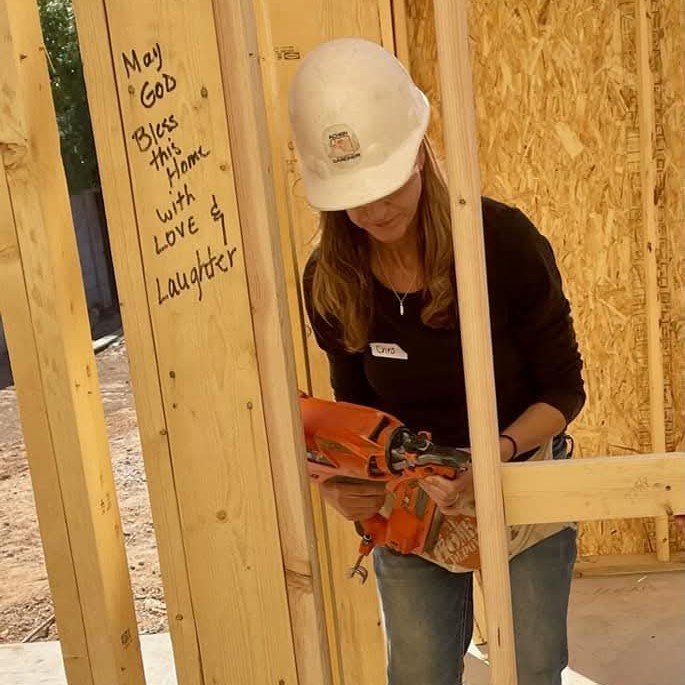
One of the most direct benefits of volunteerism is the help it provides to those in need. Whether it’s mentoring youth, distributing food at a shelter, or helping rebuild homes after a natural disaster, volunteers fill critical gaps where resources are limited. Many non-profit organizations, schools, hospitals, and community programs rely heavily on volunteers to function. Without them, essential services would suffer, and vulnerable populations could be left without support.

Beyond immediate assistance, volunteerism also fosters a deeper sense of connection within communities. When people come together to work toward a common goal—whether it’s cleaning a park, tutoring students, or organizing a neighborhood drive—it strengthens the social fabric. These shared efforts create trust, cooperation, and a sense of unity that lasts far beyond the initial project. A strong network of engaged citizens leads to safer neighborhoods, more resilient communities, and a more inclusive society.

Volunteerism doesn’t just benefit those being helped—it has a profound effect on the volunteer as well. Giving back instills a sense of purpose, boosts mental health, and can even improve physical well-being. Studies have shown that people who volunteer regularly experience lower levels of stress, greater happiness, and an increased sense of belonging. For young people, volunteering can develop valuable life skills and open up new opportunities. For older adults, it can provide renewed purpose and social connection.

In times of crisis or uncertainty, volunteerism often becomes the glue that holds communities together. During natural disasters, pandemics, or economic downturns, volunteers often step in to offer support and reassurance. Their presence can be a source of hope and resilience when it’s needed most.

Ultimately, volunteerism is more than just an act of kindness—it’s a movement of people working together to build a better world. Each hour spent helping others is an investment in humanity’s shared future. And while the challenges we face as communities can seem overwhelming, the collective power of people giving their time and compassion makes change not only possible but inevitable.

In a world that often feels divided, volunteerism reminds us that we are all connected—and that even small acts of service can lead to big changes.

The Quiet Power of Grace: From Heaven to Humanity

In a world that often prizes performance, perfection, and quick judgment, grace feels like a radical act. Many of us recognize grace as a divine gift—something God gives freely, without condition or merit. But what if grace wasn’t just something to receive, but something we’re called to give?

Grace, at its heart, is unearned kindness. It’s the willingness to forgive when someone hasn’t said “I’m sorry,” to extend compassion when frustration would be easier, and to hold space for others’ imperfections—just as we hope they will for ours. While divine grace can feel sacred and untouchable, human grace is messy, challenging, and transformative.

When we receive grace from God, it’s life-changing. It lifts shame, breaks cycles of guilt, and reminds us that love isn’t something we have to earn. But the deeper purpose of receiving grace may not end with personal comfort. It’s an invitation to live differently—to become a conduit of grace in the lives of others.

Consider the moments when someone cuts you off in traffic, speaks harshly in a meeting, or disappoints you. The instinct is often to retaliate or withdraw. But grace calls us to pause, to consider the pain or pressure that might be behind their behavior. It doesn’t excuse wrongs or ignore boundaries—it simply says, “I choose compassion over condemnation.”

Grace in human relationships looks like apologizing first. It looks like forgiving someone who never apologized at all. It looks like giving people room to grow, to change, to fail—and still be loved.

We live in a culture that often cancels, criticizes, and condemns. But grace disrupts that narrative. It whispers, “There’s more to this person than their worst moment.” Grace gives people the benefit of the doubt. It seeks understanding before judgment. And most of all, it remembers that we are all in need of it, daily.

Offering grace doesn’t mean we become doormats. Healthy grace involves wisdom and boundaries. But it also means releasing the need to always be right, to win every argument, or to hold onto grudges like trophies.

When we give grace, we mirror the heart of God. We remind others—and ourselves—that redemption is always possible. That kindness has power. That love doesn’t have to be earned.

In the end, grace is both a gift and a calling. We receive it freely. We give it freely. And in doing so, we help make the world a little softer, a little safer, and a lot more like the kingdom of God.

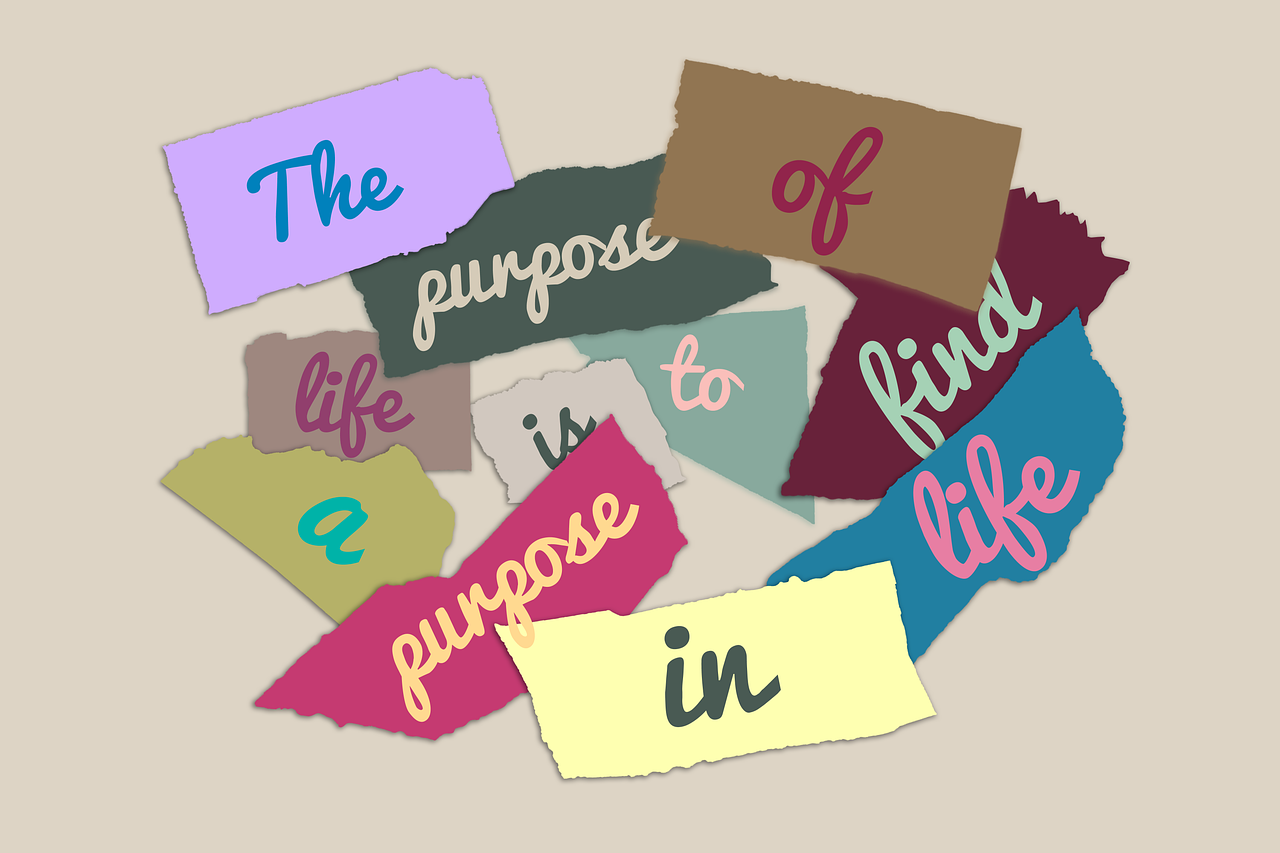
Living a Life of Purpose: More Than Just a Goal

When Maya decided to leave her six-figure corporate job to start a nonprofit supporting underprivileged youth, most of her friends thought she was making a mistake. On paper, she was successful—she had the title, the income, the apartment in the city. But inside, she felt empty. Every morning was a routine blur, and no amount of vacation days or promotions could shake the feeling that something was missing. It wasn’t until she took a step back and asked herself what truly mattered to her that she began to live with purpose.

Living a life of purpose doesn’t necessarily mean quitting your job or launching a nonprofit, but it does require clarity. Purpose is about aligning your actions with your values, and waking up with a sense of meaning that goes beyond just surviving or meeting expectations. It’s about asking, “What impact do I want to have?” and “What kind of life do I want to lead?”

Many people associate purpose with a grand, world-changing mission, but in reality, it often starts small. It could be raising kind and compassionate children, creating art that inspires others, or simply being a reliable friend. The key is intention. Purpose doesn’t always show up with fireworks—it often grows slowly, fed by curiosity, compassion, and consistency.

Living with purpose also requires courage. Society is full of noise about what success should look like: wealth, status, productivity. But a purposeful life might not check those boxes. It may look quieter, more personal. It may involve sacrifices or uncertainty. But the fulfillment it brings is deeper and more lasting. Studies even show that people who live with a sense of purpose tend to have better mental and physical health, and a stronger sense of resilience.

To begin cultivating a life of purpose, start by reflecting on what energizes you. What are you doing when time seems to disappear? Who do you feel most like yourself around? Journaling, meditation, or simply unplugging from digital distractions can help clear space to explore these questions.

Finally, remember that purpose evolves. What gave your life meaning at 25 may shift by the time you’re 45. That’s not failure—it’s growth. The goal isn’t to find one unchanging mission, but to stay connected to what matters most in each season of your life.

Like Maya, you might find that purpose doesn’t always follow a straight line. But when you live in alignment with your deepest values, every step—no matter how uncertain—can feel like it truly matters.

What does living with purpose look like for you right now?

Communicating after an Altercation

It was a typical Sunday afternoon when I witnessed a small argument between my friends, Sarah and Jane. They’d been roommates for a year, but recently their bond had become strained. What started as a minor disagreement about shared chores quickly escalated into harsh words and raised voices. As the tension grew, they both stormed off to separate rooms, each fuming with frustration. It was clear that the altercation wasn’t just about dishes—it was a buildup of misunderstandings and unspoken resentments.

But, hours later, something remarkable happened. Instead of continuing to stew in silence, Sarah and Jane sat down together. They apologized for the things they’d said in anger and took the time to express their feelings openly and calmly. What followed wasn’t a heated back-and-forth, but rather a conversation about what each person truly needed from the other moving forward. They didn’t let the disagreement define their relationship. In fact, they emerged from the altercation with a deeper understanding and respect for each other.

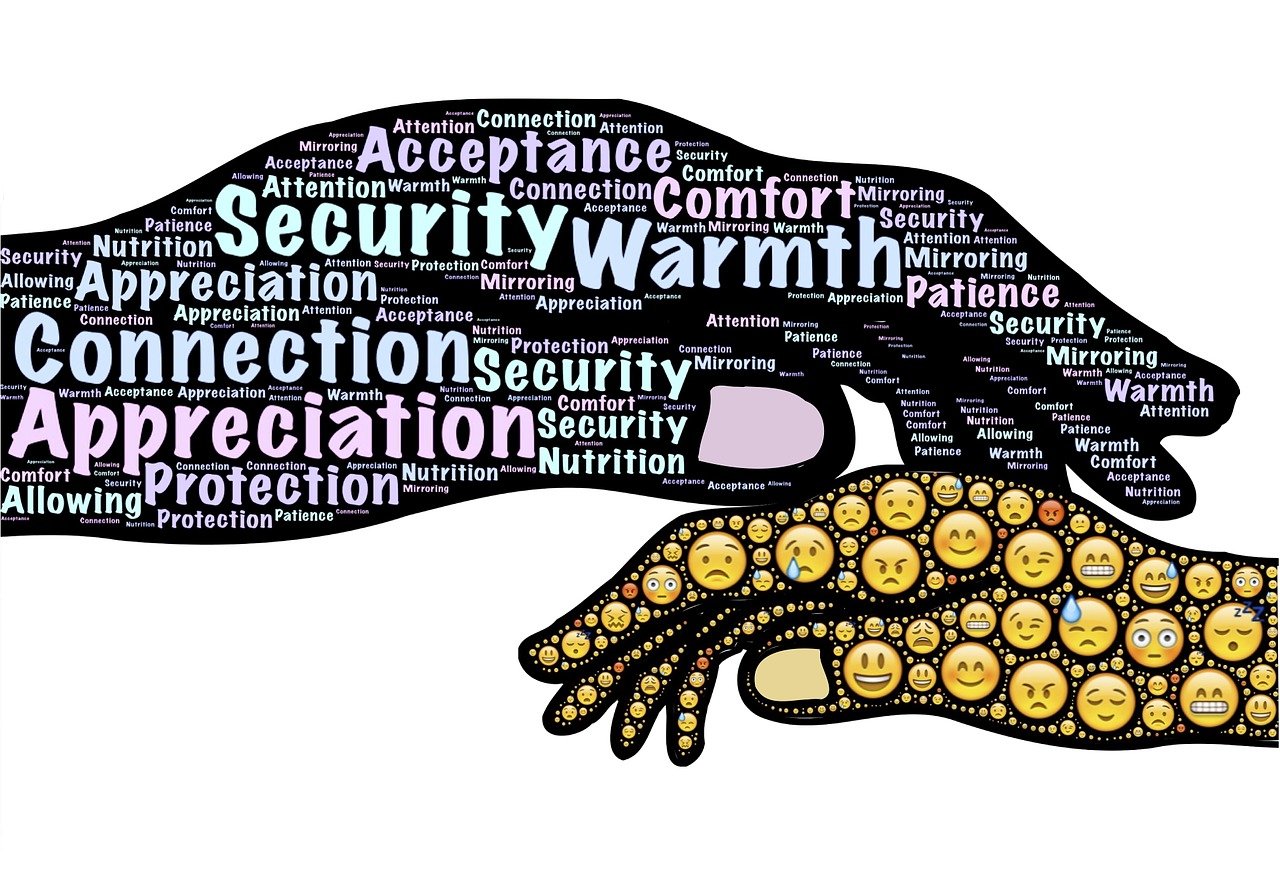
This is the power of healthy communication after a conflict. It’s easy to let emotions rule in the heat of the moment. When tensions rise, it’s natural to want to defend ourselves or lash out. However, healthy communication allows us to process emotions constructively and repair the emotional rift caused by conflict.

Why Healthy Communication Matters

The way we handle conflict can make or break relationships. Poor communication often leaves unresolved issues simmering beneath the surface, which can lead to further tension and even emotional distance over time. Healthy communication, on the other hand, fosters understanding, builds trust, and strengthens connections. It involves expressing feelings honestly, but also respectfully, without blame or judgment.

Examples of Healthy Communication After an Altercation

  1. Active Listening – After a disagreement, it’s vital to listen actively to the other person’s perspective. Instead of planning your next rebuttal, truly hear what the other person is saying. For instance, Sarah and Jane didn’t just apologize; they listened to each other’s grievances and took time to validate each other’s feelings. This made them feel understood and respected.
  2. Use “I” Statements – Instead of accusing or pointing fingers, use “I” statements to express your feelings. For example, instead of saying, “You never do the dishes!” try, “I feel frustrated when the dishes aren’t done because it makes me feel like I’m carrying all the responsibility.” This avoids putting the other person on the defensive and encourages them to listen without feeling attacked.
  3. Timing is Key – Give yourself time to cool off before having a conversation about the altercation. Emotional conversations, if held too soon, may only perpetuate the cycle of blame. Once both parties have calmed down, you can approach the issue with a clearer mind.

Healthy communication is not just about talking; it’s about fostering an environment where both parties feel safe to express their emotions and work towards a resolution. In doing so, conflicts become opportunities for growth, learning, and connection rather than sources of division.

Embracing the Extraordinary

It was an ordinary Tuesday afternoon when Sarah, a busy single mother, found herself stuck in a stressful situation. Her car had broken down in the middle of a deserted highway. With no phone signal and a growing sense of helplessness, she prayed for a miracle. Minutes later, a man in a pickup truck appeared out of nowhere, offering her help. He had all the tools she needed to get back on the road, and just as suddenly as he had arrived, he drove off, disappearing into the horizon. Sarah was left stunned and deeply grateful. What felt like a random occurrence had the feeling of something much more profound—a miracle.

Miracles are often seen as rare, otherworldly events, but what if we told you that they might be happening around you all the time? They don’t always have to be grand, dramatic moments—sometimes, they’re simple acts of kindness or perfect timing. Miracles, in their many forms, are an invitation to believe in the possibility of the extraordinary, even within the seemingly mundane.

The Merits of Miracles

Miracles have a unique ability to shift our perspective. They remind us that there is more to life than just the ordinary course of events. When we experience something miraculous, whether it’s finding the solution to a problem, a moment of pure synchronicity, or a breathtaking natural occurrence, we are reminded of the mystery and wonder of existence. Miracles invite us to pause, reflect, and feel a sense of awe, which can be a powerful tool for emotional healing and mental well-being.

Furthermore, miracles can inspire us to believe in the interconnectedness of the universe. They help us recognize that we are not isolated beings, but part of a larger, often unseen, pattern. When we embrace this, we open ourselves up to new possibilities, greater compassion, and deeper connections with those around us.

Tips for Seeing and Embracing Miracles

  1. Cultivate Gratitude: The first step to recognizing miracles is learning to appreciate the small moments. By practicing gratitude daily, you begin to notice the beauty and magic that already exists around you. Whether it’s a friendly smile, a clear sky after a storm, or the unexpected help of a stranger, gratitude allows you to see the miracles in your life more clearly.
  2. Stay Open to Possibilities: Miracles often come in unexpected forms. They might not look like what we imagine or desire. Being open to the unknown allows you to embrace the miraculous when it arrives, even if it defies your expectations.
  3. Trust Your Intuition: Intuition can be a powerful guide in recognizing miracles. When you feel a sense of knowing or a gut feeling that something special is about to happen, trust it. Many miraculous events begin as a nudge or an instinct, leading us to a transformative experience.
  4. Look for Patterns and Synchronicities: Miracles often arrive as perfect synchronicities—events that seem to align in the most meaningful ways. Pay attention to the patterns in your life, the times when things just seem to fall into place, and the surprising connections that appear at the right time.
  5. Embrace Faith: Belief in miracles doesn’t necessarily require a religious framework; it simply requires a sense of faith—faith in the unseen, the possible, and the greater good. Even in moments of doubt, holding onto a sense of trust can open the door to miraculous experiences.

Miracles are all around us, waiting to be discovered and embraced. By cultivating gratitude, staying open, trusting our intuition, recognizing synchronicities, and embracing faith, we can invite more miracles into our lives. Perhaps, as Sarah learned that day on the highway, we don’t always need to look far to find them—they might be closer than we think.

Loving Life: A Journey to Joy

This summer, I found myself on a hiking trail on the breathtaking Colorado Plateau. As I reached a clearing, the view unfolded like a painting—rocky cliffs kissed by the sun, wildflowers dancing in the breeze, and a crystal-clear river reflecting the sky. In that moment, I felt an overwhelming sense of gratitude wash over me. It was a reminder that life is not just about the big milestones but also about savoring the small moments that fill our days with joy.

Loving life is often about perspective. Take the story of Maya, she turned her morning commute into a ritual of joy. Rather than dreading the crowded subway, she started bringing her favorite book along. Each ride transformed into an escape, a little adventure in the midst of her busy routine. She discovered that joy could be found in the simplest of actions, like flipping the pages of a novel or observing the world through the window. This shift in mindset not only made her commute bearable but also sparked a love for reading that she hadn’t tapped into before.

Then there’s the case of Mark, who decided to embrace spontaneity. Tired of the monotony of his daily grind, he began saying “yes” to every invitation and opportunity that came his way. This simple change led him to join a salsa class, try his hand at pottery, and even go skydiving. Each new experience not only expanded his horizons but also brought him a sense of exhilaration that reignited his passion for life.

Loving life also involves cherishing the people around us. A simple family dinner can become a cherished memory when filled with laughter and stories. Last month, at a potluck with friends, everyone brought a dish that held a special meaning. As we shared food and memories, the evening turned into a celebration of our lives—our dreams, our challenges, and the beauty of our connections.

Ultimately, loving life is about cultivating gratitude, embracing spontaneity, and nurturing relationships. It’s about finding joy in the mundane and turning ordinary moments into extraordinary memories. As we navigate our journeys, let’s remember that life is a tapestry woven from these experiences. By choosing to love and appreciate every thread, we can create a rich and fulfilling existence. So, take a moment today to pause, breathe, and embrace the beauty of life all around you. You might just discover that love for life was waiting for you all along.

The Language of Love

Have you ever given someone a gift, never to see them wear it, hang it on the wall, or utilize it in any way?  After my sister was married, I sent off one of her engagement photos and had it replicated to a painting. From the moment I presented it to her and her husband, I never saw it again. I don’t know what she did with it, but it would seem that she never hung it anywhere.

A powerful way to connect with those we love is through the knowledge and use of known love languages. Whether it be a partner, significant other, spouse, or friend, we can meet each other’s emotional need to feel loved by understanding their primary love language. This alone provides a priceless advantage. You may also find it very helpful to evaluate and acknowledge your own key love language(s).

According to author Gary Chapman, the author of “The 5 Love Language,” there are five expressions of love and the one that makes you feel most loved may be different than someone else’s. For example, I have a friend whose primary love language is indeed gifts. To give her a gift, provides her with a profound feeling of being loved. For myself, gifts do not provide me with that feeling. When someone provides to me an act of service, it could be anything, I feel truly loved. Here is a more comprehensive list of Gary’s 5 love languages:

Words of Affirmation

This would be the use of verbal compliments or words of appreciation. For example, “I love how you helped me clean up the kitchen after dinner.” We may often think these thoughts, but to those who feel deeply loved by affirmation, it can be meaningful and imperative to express it.

Quality Time

This is about giving someone your undivided attention and being attentive to them. Intimacy doesn’t just happen in the bedroom. It’s about spending time alone together in an atmosphere of communication, focused attention, eye contact, and respect. Spending daily time in healthy communication should be considered a minimum daily requirement. If quality time is primary to you or your partner, plan quality activities of mutual interest.

Acts of Service

By physically serving another, doing the things that you know they would like you to do, you can provide a profound expression of love to them. If you know this to be your partner’s primary love language, seek to do what you can to reduce their load. Make a list if it helps. Acts of service should not feel forced, but should be done out of love. Requests give direction to love, however, demands can stop the flow of love. Examples include cleaning, cooking, making beds, fixing things, and running errands.

Receiving Gifts

The long history of the giving of gifts is a cultural pattern which has intrigued anthropologists. Gifts are a visual symbol of love and a part of many modern day rituals. These gifts can be purchased, found, or made. If this is your partner’s primary love language, you may have to change your attitude toward spending money, but creativity can go a long way.

Physical Touch

There is great power in physical touch. Holding hands, kissing, embracing, and sexual intercourse are all ways of communicating emotional love to one another. Physical touch is not limited to one localized area of the body, but some areas will be more sensitive than others. Light touches of love require little time, but much thought. If a primary need, expression through touch is only limited by the imagination.

Having a different primary love language than your partner may feel awkward at first to feed, but without knowledge you will continue to stumble. I would encourage, if you have not done so, that you and your partner do a questionnaire to understand what makes you each feel truly loved. Just web search the love languages quiz.

I sincerely believe that understanding your partner more fully can only enhance your relationship. What you learn can also be transferred to other relationships, including friendships. Providing someone with the feeling of being loved is a gift of ultimate value.

People who love each other fully and truly are the happiest people in the world. They may have little, they may have nothing, but they are happy people. Everything depends on how we love one another.

~ Mother Teresa

Regerence: Chapman, Gary (2010). The 5 Love Languages: The Secret to Love That Lasts (3rd Edition). Northfield Publishing.